Nice to meet you.
I am a Japanese woman in my late 40s.
I worked as an elementary school teacher, but I began to have doubts about the curriculum and teaching methods, so I resigned.
After retiring, while reading various books and researching on social media, I realized that education in Japan is being taught with a biased perspective.
Until I reached this age, I hadn’t known about Atsuta Shrine in Nagoya, which is a shrine that enshrines the Imperial Regalia, nor did I know that the Morita-za theater existed during the Edo period. I had never even heard of Kasuga faith, a system of beliefs in the gods that developed around Kasuga Taisha in Nara.
The Japanese imperial family has experienced conflicts between the Southern and Northern Courts even before the Taika Reform, with several wars over time, but today, I feel that society is clearly moving in a direction that erases the memory of the Southern Court.
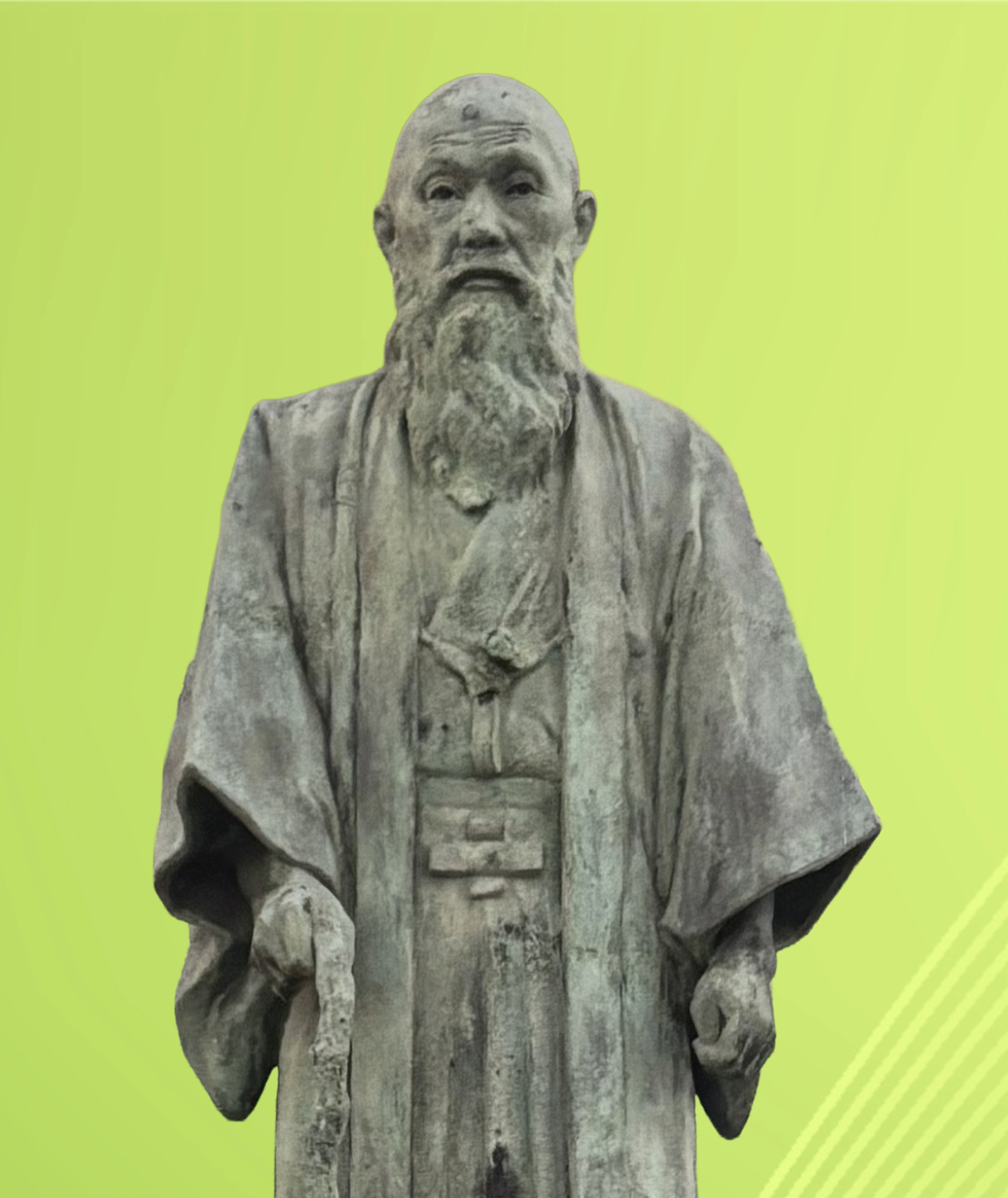
As far as I can tell, the Morita family has had wives named Shika (deer in English) for two generations. Also, Shika’s daughter is named Shika. Morita-za, which existed during the Edo period, suffered a fire disaster, and its family tree has been lost. Despite Morita Manemon having achieved remarkable accomplishments, the lineage of his family has not been made public, and even the name of his son has not been disclosed publicly. Deer (Shika in Japanese) are considered the divine messenger (vehicle of the gods) of Kasuga, based on the legend that Takemikazuchi descended to Kasuga riding a white deer. I have come to think that the Morita family has cherished the name ‘Shika’ because they sought to convey to future generations that they are connected to the Southern Court. The village of Fukimura, where Manemon was active, has disappeared due to municipal mergers, and Senzu Village, which is connected to Emperor Tenchi and where Kiemon and Shika’s daughter, Shika, got married, has also disappeared due to municipal mergers. The statue and stone monument of Morita Manemon, erected in front of the Fuki branch office, have somehow managed to remain intact for now, but they are not being cared for and could be destroyed at any time. I also noticed that, in contrast to the shrines associated with the emperors of the Northern Court, which are well-maintained, the shrines associated with the emperors of the Southern Court, such as Kashima Shrine, are not very well-maintained. The Southern Court has traditionally been considered legitimate, but it was defeated in the conflicts between the Northern and Southern Courts(1336-1392). Even after being defeated in battle, it would not be surprising if there were people who valued the bloodlines of the Southern Court’s imperial family. If there were people who would be troubled if its legitimacy were asserted, isn’t it quite possible that they might desperately try to erase the history related to the Southern Court? Beneath Japan lie incredibly valuable underground resources, and it wouldn’t be surprising if someone seeking them tried to erase people connected to the Southern Court from history by rewriting history and destroying evidence, so their claims of legitimacy could not cause any problems.
According to information I looked up after retiring, Japanese politics is decided by the Japan-US Joint Committee. I find it very strange that Japan has politicians and holds elections, even though it is supposedly like a colony of the United States. I believe these facts stem from the biases in the content and methods of education that I felt during my time as an elementary school teacher. There is no evidence anywhere that I come from a lineage that can claim legitimacy, but now that I have received a message from my ancestors, striving to break free from the current colonial situation and achieve independence feels like a duty to them.